
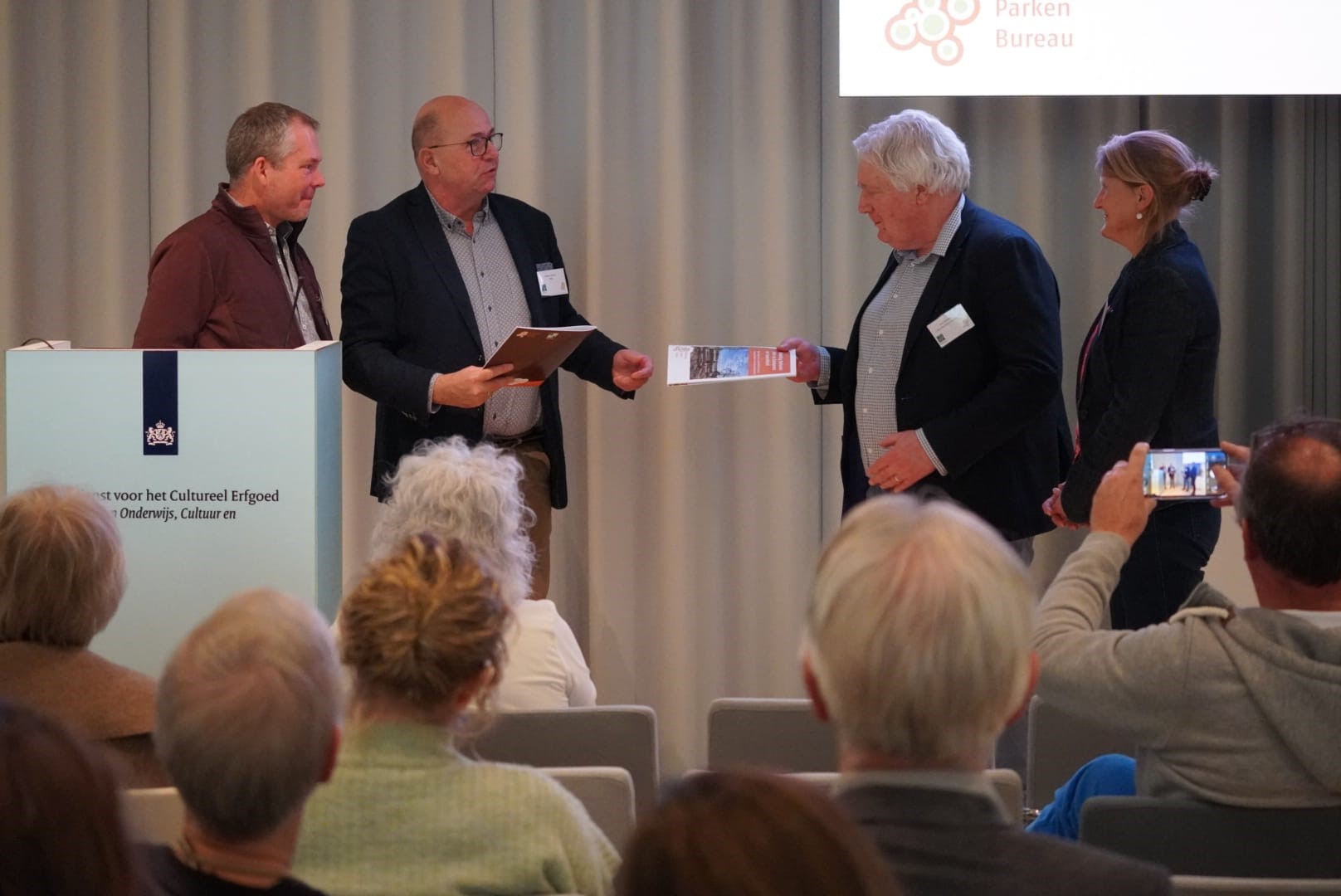
On January 9, the Guideline National Parks as a Catalyst for Health was presented. This guideline includes a roadmap for successful and sustainable collaboration between national parks and the health sector for the long term. The guideline was developed through a collaboration between the National Parks Bureau and the Inclusive Nature Collective.
Through 9 clear steps, a national park can get started with the aim of establishing partnerships with the health sector (healthcare institutions and health-related organizations), the social domain within the government, and insurers. Examples of collaborations can include: engaging youth in nature, guided nature walks for the elderly, nature therapy, and programs for vulnerable people in or around nature.
Connectedness
Everyone benefits from a healthy living environment. It has been scientifically proven that health and prosperity are strongly connected with nature and biodiversity. This involves both the services that nature provides such as clean water, fresh air, fertile soils, and pollinators for our food, as well as the significance of nature for our mental and physical health. Additionally, the theme of health offers national parks an excellent opportunity to further strengthen the relationship with society. This is also one of the objectives of the policy program National Parks 2024-2030.
Roadmap
In the Netherlands, several national parks are already working on the topic of nature and health. They do this from their own backgrounds with different ambitions and ideas. In the guideline, parks can read, among other things, that it is essential to investigate which offerings fit the park and which party(s) from the health sector want(s) and can contribute to this. Once the parties have found each other and gotten to know each other, they can work together from a shared dream on concrete goals and achievable steps with clear roles and responsibilities. Coordination with partners, such as land-managing organizations, within and around national parks is an important consideration. The full guideline can be found in the knowledge bank on this website.
The Practice
National parks can now start using the guideline themselves. The National Parks Bureau will work alongside the Inclusive Nature Collective and several parks to 'test' the application of the guideline. The experiences will be shared so that other parks, health institutions, and governments can learn from them. This will take place in the form of a learning environment with practice examples, but also study visits and information sessions.